A man's nose should be different from a woman's: men's rhinoplasty at DOY JUN
- Profile
- Ideally, the nose starts high and runs in a clean line from between the brows to the tip
- Angles
- Ideally, 140 to 150 degrees between the forehead and bridge, and 90 to 105 degrees between the tip and the lip
- Nostril width
- Ideally, the nostril wings match the distance between the eyes, or 1/5 of the face's width
- Bridge width
- Ideally, a moderate width for a masculine T-zone
Is your nose something you've always wanted to hide? Which type are you?
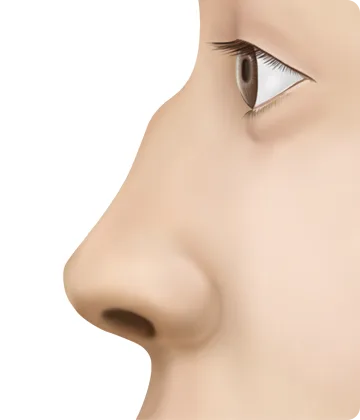
Hump nose
You want to soften the look of a hump on your nose
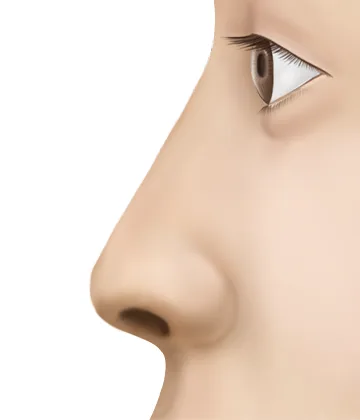
Low nose
Your bridge and tip are low, so your face looks flat
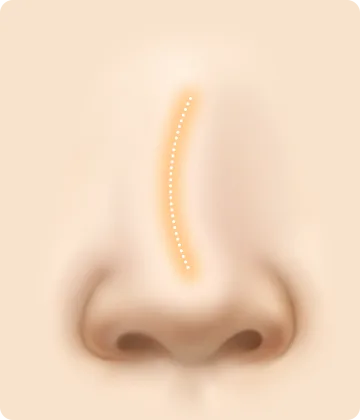
Crooked nose
A crooked nose causes problems with how it looks and how it works
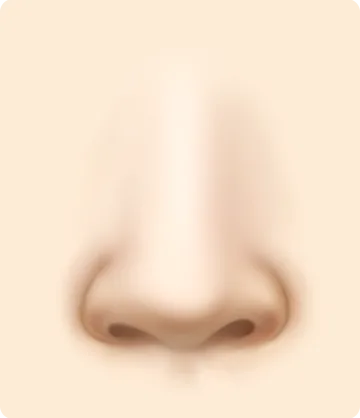
Bulbous nose
You want to refine a blunt tip and rounded nostril wings
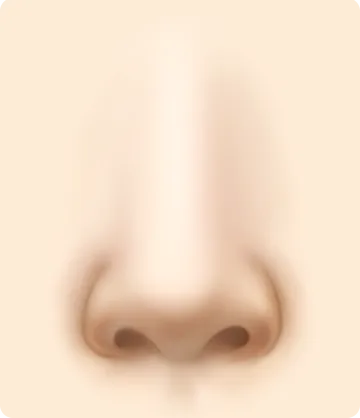
Long nose
You want to correct a long, drooping nose
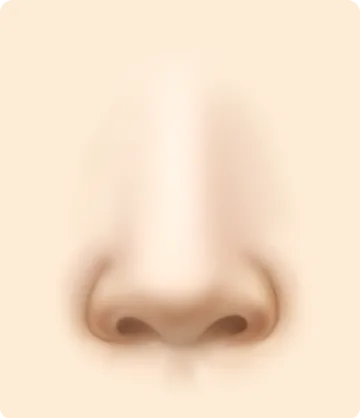
Overall dissatisfaction
You want a straight, masculine nose
Key points of men's rhinoplasty at DOY JUN
Angle, length, line. For men, the standards are different, down to 1 mm.
Key points of men's rhinoplasty at DOY JUN Plastic Surgery
Key Point
Nasolabial angle correction
90 to 105 degrees: the ideal nasolabial angle
If the angle between the tip and the lip (the nasolabial angle) is too wide, the nose looks upturned. If it's too narrow, the nose looks heavy. Customized correction that considers your philtrum length and how far your mouth projects creates the most refined profile.
Key Point
T-zone length adjustment
A T-zone that balances the face
Your nose shouldn't be so long that it makes you look older, or so short that it looks insubstantial. We precisely adjust where the nose starts and the length of the columella (the column between the nostrils) to match your overall facial proportions, creating a balanced, well-defined look.
Key Point
Bridge line adjustment
A clean, unbroken straight line from between the brows
The key to a man's nose is a straight line. We smooth out bumpy humps and crooked curves to create a clean, straight line from the bridge to the tip.
The key to a successful first surgery: a deeper level of analysis
Successful primary rhinoplasty at DOY JUN Plastic Surgery
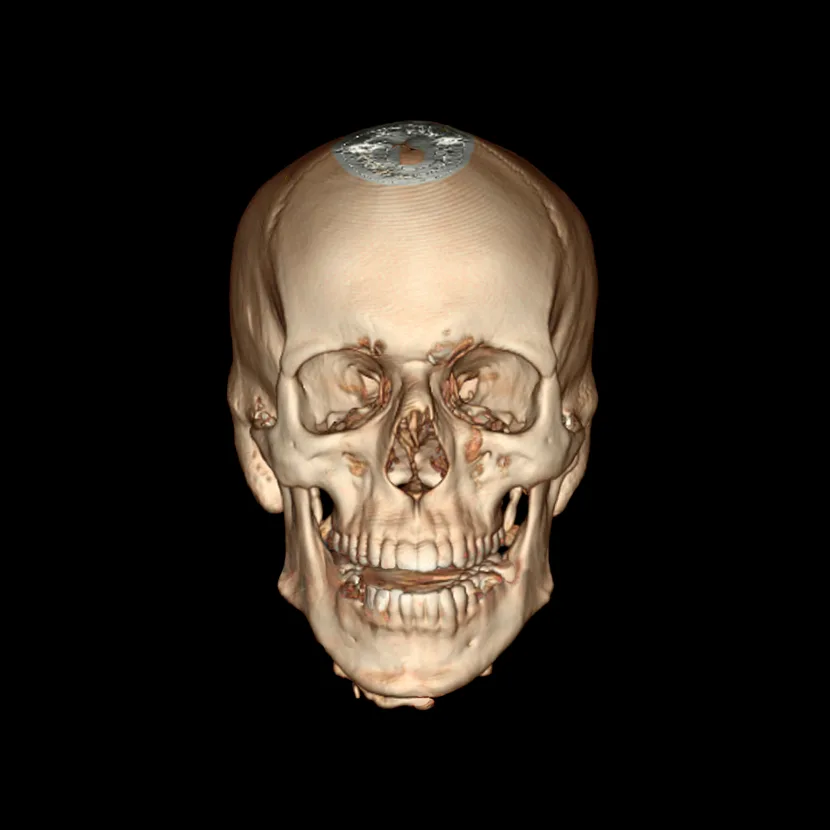
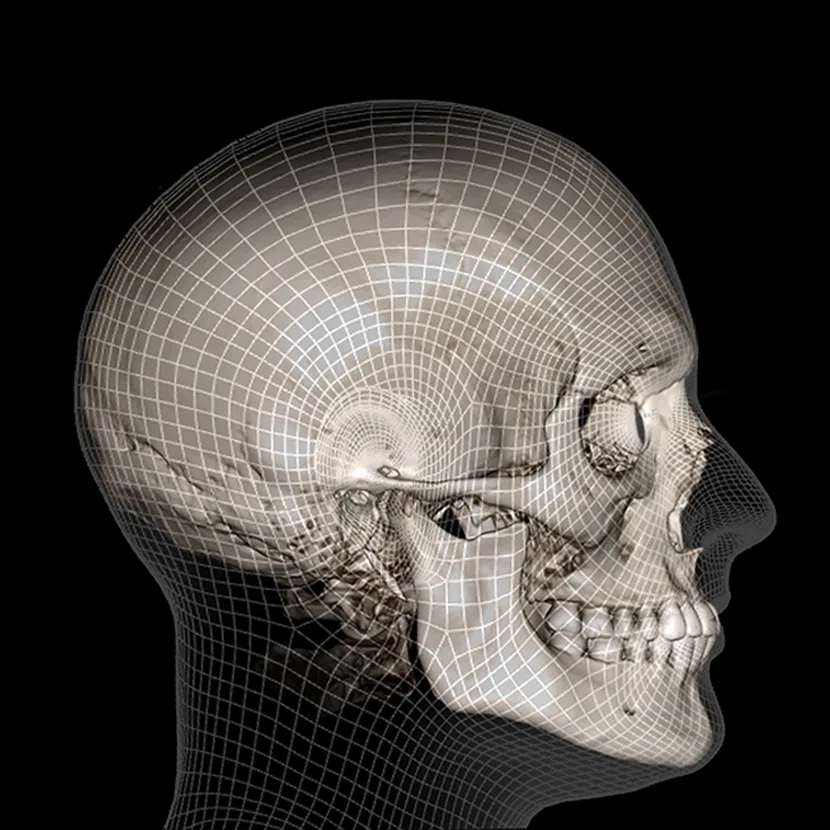
Surgery planned on outward appearance alone is more likely to fail. The nose has a complex three-dimensional structure, so the first step toward success is knowing the exact condition of the bone and cartilage hidden beneath the skin.
At DOY JUN Plastic Surgery, advanced 3D CT imaging lets us examine the internal structures in detail, including those the naked eye cannot see, to make surgery more accurate and safer.
- Precise diagnosis
- Before surgery, we analyze in fine detail the thickness and width of your nasal bones and the condition of your skin tissue, which differ from person to person. This helps us head off unexpected problems during surgery so it proceeds according to the planned design.
- Septum assessment
- We check the size, shape, and curvature of the septal cartilage, the key material in primary rhinoplasty, ahead of time. By accurately predicting how much cartilage can be harvested, we build a safe surgical plan without unnecessary extra cartilage harvesting.
- Functional assessment
- In the same visit, we also diagnose functional problems inside the nose that cause congestion, such as a deviated septum or enlarged inferior turbinates. Improving not only how the nose looks but also how it works leads to greater satisfaction after surgery.
DOY JUN Plastic Surgery promises a first nose surgery so satisfying it can be your last
We don't simply raise the bridge. We design your nose in proportion to your forehead, chin, and cheekbones, creating a defined, three-dimensional line that looks most natural on your face and won't look dated even as trends change.
We create a nose you'll be happy with every time you look, one that lets you show off your profile in photos with confidence.
Board-certified Plastic Surgeon
Lee Seungjun, Representative Director, DOY JUN Plastic Surgery
6 details that make the difference in results: this is nose surgery at DOY JUN Plastic Surgery
It's not just about raising the bridge. From ideal line design to functional improvements you can't see and a safe surgical environment, DOY JUN meets the standards that nose surgery calls for.
- A profile you'll want to show off
- Through a thorough consultation and examination, we confirm the bridge line and tip shape you want. Then we perform a primary rhinoplasty you'll be happy with, taking into account your face shape and the look you're going for.
- Striking or natural
- For your first nose surgery, we design around your preference for a more striking or a more natural look.
- Precise 3D CT analysis
- We precisely assess what the naked eye can't see, including bone size, the shape of the septal cartilage, and how much it curves.
- Three-dimensional design
- We look beyond the nose itself and consider the face as a whole, including the forehead, the height between the brows, the bridge line, the tip, the nasolabial angle, and the chin.
- Surgery by the Representative Director
- The Representative Director, who understands what patients need, handles the entire process personally, from consultation to performing the surgery. This eases anxiety and leads to greater satisfaction.
- Functional improvement
- A nose should be beautiful, but its essential role as the organ you breathe through matters too. We also improve functional problems that cause nasal blockage, such as a deviated septum and nasal valve narrowing.
DOY JUN Q&A
How long does swelling last after nose surgery?
- Swelling after nose surgery varies from person to person, but most of the major swelling goes down within 1 to 2 weeks. Residual swelling fades gradually over 1 to 3 months, and your natural-looking line emerges as time passes.
Can I push my nose up into a “pig nose” after surgery?
- In the early days after surgery, avoid pressing hard on or touching your nose. Once everything has settled firmly in place, normal face washing and light contact are fine.
Will smiling or making facial expressions feel strange after nose surgery?
- At first you may feel some tightness or a foreign-body sensation, but your natural expressions return as you recover.
Are nose surgery scars noticeable?
- Most incisions are made inside the nose, so external scars are barely visible. Even when an external incision is needed, it heals over time until it is hard to notice.
When can I return to my daily routine after nose surgery?
- Light daily activities are possible from the day after surgery, and you can gradually do more once the splint is removed.
When can I drink alcohol or smoke after nose surgery?
- To support healing and prevent inflammation, we recommend avoiding alcohol and smoking for at least 3 to 4 weeks after surgery. This has an important effect on how stable your results are and how quickly you recover.
This page is a translation of information from DOY JUN Plastic Surgery's Korean website. Please confirm the details during a consultation.