Key points
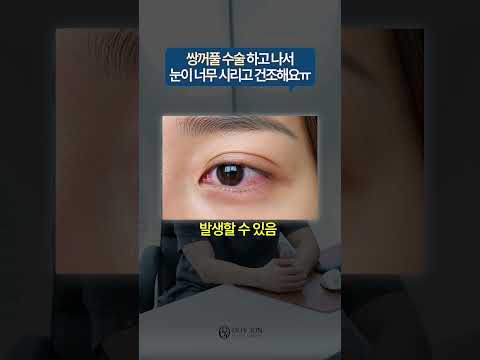
- Bruising (ecchymosis) and swelling (edema) around the eyes are common concerns after eyelid surgery and can negatively affect recovery and satisfaction [1].
- In a systematic review of 29 randomized controlled trials of eyelid and periocular surgery, surgical techniques that preserve blood vessels reduced swelling and blood collections (hematomas), and removing only skin caused less swelling than removing both skin and muscle [2].
- Tranexamic acid, a medication that helps control bleeding, was reported in meta-analyses to lower bruising scores, but more research is needed on the route of administration, dosage, and risks related to blood clots [1, 3].
- Herbal and complementary remedies such as arnica and bromelain have not shown a clear benefit in eyelid surgery [2, 4].
- Swelling that persists beyond 6 weeks is classified as a late complication, and eyelids with thick skin are more prone to prolonged swelling [5, 6].
Why do swelling and bruising occur?
Bruising is bleeding from surgery that spreads under the skin and becomes visible, and swelling occurs as fluid collects in the surgical area. Bruising and swelling around the eyes are described as common concerns after eyelid surgery that can negatively affect recovery and patient satisfaction [1].
The research summaries used for this article did not give figures for how many days bruising and swelling usually take to fade. One meta-analysis assessed bruising on the day of surgery, 1 to 3 days after surgery, and 7 to 9 days after surgery [1]. The speed of recovery depends on the extent of surgery and the condition of each person's tissues.
Differences by surgical method and eyelid condition
A 2025 systematic review analyzed 29 randomized controlled trials involving 2,287 people who had eyelid or periocular surgery [2]. It found that surgical techniques that preserve blood vessels significantly reduced swelling and blood collections (hematomas), and that removing only skin caused less swelling than removing both skin and muscle [2].
Eyelid surgery using a carbon dioxide (CO2) laser was reported to improve bleeding control and reduce swelling of the conjunctiva (chemosis) [2]. However, which surgical method is right depends on the condition of your eyelids and the goals of surgery, so it is hard to choose a method based on swelling alone.
Upper eyelids with thick skin are described as needing special consideration [6]. With these eyelids, scars are more likely to be noticeable after surgery, a small fold of excess skin (dog ear) can form at the outer end, and swelling tends to last longer. A deep eyelid hollow or complete removal of loose skin may also be hard to achieve [6].
Research on cold compresses and dressings
In the same systematic review, cold compresses relieved symptoms in the short term, and magnesium sulfate dressings were more effective than ice packs at reducing swelling [2]. Changes to the anesthesia method (cooling before injection and buffered local anesthetic) reduced pain during the injection, but their effect on swelling varied from study to study [2].
The authors concluded that more research is needed on how best to combine these methods and on long-term outcomes as experienced by patients [2]. Specific care, such as how and for how long to apply compresses, can vary with the type of surgery, so it is best to follow the instructions of your medical team.
Research on medications to reduce bruising
Tranexamic acid is an antifibrinolytic agent, a medication that slows the breakdown of blood clots. It has shown promise in reducing bruising after eyelid surgery, but its effectiveness and the best route of administration are described as still uncertain [1].
A 2025 meta-analysis of 5 randomized controlled trials (594 patients, 739 eyes) found that bruising scores in the tranexamic acid group were significantly lower on the day of surgery, 1 to 3 days after surgery, and 7 to 9 days after surgery, and that the time to return to daily activities was 1.22 days shorter on average [1]. No adverse events related to tranexamic acid were reported in this analysis [1].
Another meta-analysis of upper eyelid surgery (5 randomized controlled trials, 594 patients, 1,154 eyes) also found lower bruising scores and a patient-reported recovery time that was 0.72 days shorter on average [3]. However, the authors of this study stated that further research is needed to determine the appropriate dose and to reduce risks related to blood clots [3].
In a 2022 meta-analysis covering several types of cosmetic surgery, tranexamic acid was associated with reduced blood loss, but only 1 of the 14 included studies involved eyelid surgery [7]. The authors of the first meta-analysis also concluded that more high-quality randomized controlled trials using standardized bruising assessments are needed [1]. Whether to use such medications is a decision for a medical team that has reviewed your medical history and risks.
What about arnica and bromelain?
Arnica and bromelain are described as two of the most widely recommended homeopathic remedies for improving outcomes before and after surgery [4]. In a review of 29 studies, arnica tended to reduce bruising after facial surgery such as rhinoplasty and facelift, but no effect was found for arnica applied to the skin after eyelid surgery [4].
This review pointed out that the studies varied greatly in the type of surgery, how the remedies were used, the measures assessed, and the results, and concluded that more research is needed on the safety and effectiveness of dosing regimens and on interactions with other medications [4]. A 2025 systematic review of randomized controlled trials of eyelid and periocular surgery also found no significant benefit from herbal and complementary remedies, including arnica and bromelain [2].
Symptoms to tell apart from ordinary swelling
In the first week after eyelid surgery, scratches on the cornea and bleeding behind the eye that can threaten vision (retrobulbar hemorrhage) are reported to occur [5]. If you have pain that suddenly gets worse or any change in your vision, do not assume it is just swelling; seek care right away.
Double vision (diplopia) is a very rare but reported complication [8]. Suggested causes include excessive fat removal, inflammation around the wound, swelling of the conjunctiva, and temporary problems with the eye muscles, and surgical exploration may be needed if it does not improve with nonsurgical treatment [8].
From 1 to 6 weeks after surgery, an abnormal eyelid position or watery eyes may appear, and swelling that persists beyond 6 weeks is classified as a late complication, along with changes in eyelid height and shape, asymmetry, and scarring [5]. If your recovery is not going as expected, it is best to have it checked.
Frequently asked questions
- Should I take medication in advance to reduce bruising?
- Studies in which tranexamic acid was given intravenously or by injection under the skin reported reduced bruising, but more research is needed on the route of administration, dosage, and risks related to blood clots [1, 3]. Arnica and bromelain have not shown a clear benefit in eyelid surgery [2]. Rather than deciding on any medication yourself, discuss it with a medical team that has reviewed your medical history and the medications you take.
- If swelling remains after several weeks, does that mean something is wrong?
- One review classified swelling that persists beyond 6 weeks as one of the late complications [5]. Eyelids with thick skin are also described as more prone to prolonged swelling [6]. Recovery speed varies from person to person, so long-lasting swelling is not always a problem, but it is best to follow its course with your medical team.
- Do ice packs help?
- In a systematic review of randomized controlled trials, cold compresses relieved symptoms in the short term [2]. The same analysis also found that magnesium sulfate dressings were more effective than ice packs at reducing swelling [2]. How and for how long to apply compresses can vary with the type of surgery, so it is best to follow the instructions of your medical team.
References
- Chavez MP, Pereira FJ, Pasqualotto E, et al. Tranexamic Acid for Blepharoplasty Surgery: A Systematic Review and Meta-Analysis of Randomized Controlled Trials. Ophthalmic Plast Reconstr Surg. 2025.PubMed 40334125DOI
- Alamoudi A, Albishry AM, Alnabihi AN, et al. Interventions for reducing bleeding and swelling in eyelid and periocular surgeries: a systematic review of randomized controlled trials. Orbit. 2025.PubMed 41264874DOI
- Abo Zeid M, Khalefa K, Al Diab Al Azzawi M, et al. Evaluating Tranexamic Acid's Role in Upper Eyelid Blepharoplasty: A Systematic Review and Meta-Analysis. Aesthetic Plast Surg. 2025.PubMed 41152468DOI
- Knackstedt R, Gatherwright J. Perioperative Homeopathic Arnica and Bromelain: Current Results and Future Directions. Ann Plast Surg. 2020.PubMed 31800557DOI
- Lelli GJ Jr, Lisman RD. Blepharoplasty complications. Plast Reconstr Surg. 2010.PubMed 20195127DOI
- Pastorek N, Bradford B. Upper Lid Thick Skin Blepharoplasty. Facial Plast Surg. 2018.PubMed 29409103DOI
- Laikhter E, Comer CD, Shiah E, et al. A Systematic Review and Meta-Analysis Evaluating the Impact of Tranexamic Acid Administration in Aesthetic Plastic Surgery. Aesthet Surg J. 2022.PubMed 34486647DOI
- Galli M. Diplopia following cosmetic surgery. Am Orthopt J. 2012.PubMed 23002470DOI
This article is an English translation of general health information that DOY JUN Plastic Surgery compiled in Korean from the summaries (abstracts) of papers in international academic journals. Treatment methods and results vary depending on each person's condition, so please consult a specialist for an accurate diagnosis and treatment plan.