
DOY JUN Eye
Eye Surgery Guide
Procedure guides
Double Eyelid Surgery
“No two double eyelid surgeries are the same.” Not a cookie-cutter line, but ideal eyes that truly suit your face. Which double eyelid shape and height are right for you?
Ptosis Correction
“Which one looks like your eyes right now?” It's not just about changing the look of your eyes. Ptosis correction strengthens your ability to open your eyes, so you use the eye-opening muscles instead of your forehead. Experience eyes that open easily, functional comfort, and a clear, defined look.
Under-eye Fat Repositioning
Puffy under-eyes, dull dark circles, a tired look: the real cause is “under-eye fat.” If you were born with a recessed bone structure, there's no bone to support the fat, so it bulges downward. With age, the pocket holding the fat also weakens, letting the fat bulge out, along with sagging skin and wrinkles.
Upper Blepharoplasty
Have drooping eyelids and obstructed vision been bothering you more and more? “Putting up with it won't solve anything.” Upper blepharoplasty goes beyond cosmetics. It restores function and can change your life. DOY JUN's delicate restoration erases the traces of time.
Lower Blepharoplasty
Bothered by dark circles, under-eye bags, and sagging skin? “Under-eye fat and skin only sag more over time.” Under-eye shadows that even makeup can't hide drain the life from your face. Lower blepharoplasty lifts sagging muscle and repositions fat to create smooth, bright under-eyes.
Sub-brow Lift
Frustrated that drooping brows and eyelids have made your eyes look different than before? “Shouldn't I just get double eyelid surgery?” If you're worried about how double eyelid surgery might change your look, what you need is a sub-brow lift, which removes only the sagging skin without changing your eyelid line.
Canthoplasty
Considering canthoplasty? Take this self-check. Open up closed-in inner corners by removing the epicanthal fold, and bring upturned outer corners down for a brighter look. Precisely correcting the width and tilt of the eyes with inner, outer, and lower canthoplasty takes you from small, closed-in eyes to finally having bright, wide-open eyes.
Eye Revision Surgery
The double eyelid has come undone, making the eyes look sleepy, or multiple lines (extra folds) have formed. The double eyelid has become so narrow that the line is barely visible when the eyes are open. The eyes look droopy, and the surgery seems to have had little effect.
Men's Eye Surgery
Worried it'll look overdone, obvious, or just plain wrong... Men's eyes need to look natural. Sleepy-looking eyes (ptosis). Narrow, closed-in eyes (small eyes). Eyes buried in puffy lids (thick eyelids).
Doctor's Q&A
 0:26Sleepy-looking eyes don't always need ptosis correction
 0:28Sunken eyes and extra eyelid creases: what can you do?
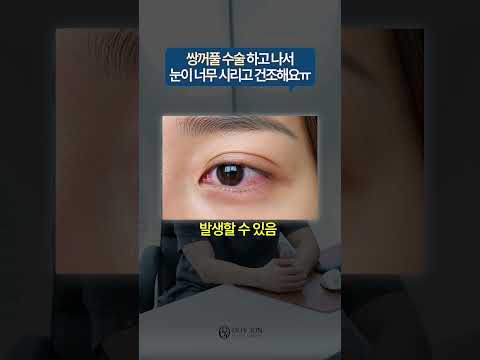 0:34Eyes stinging and dry after double eyelid surgery?
 0:32This is what happens when ptosis correction goes too far
 0:26Why some faces have especially dark under-eye circles
 0:38Strabismus after under-eye fat repositioning? Can it really happen?
 0:35Can under-eye fat repositioning improve dark circles?
 0:24What's the easiest operation in plastic surgery?
 0:28We don't do double eyelids like this anymore
Articles
Non-incisional vs. incisional double eyelid surgery: what the research shows
Based on summaries of published research, this article explains how the non-incisional (suture), partial-incision, and incisional double eyelid techniques differ. It covers how each method works, risks such as recovery and loss of the crease, and what to ask during your consultation.
East Asian eyelid anatomy and double eyelid surgery
Based on published review articles, this page explains how the East Asian upper eyelid differs from the Western eyelid and how those differences shape the methods and goals of double eyelid surgery.
Droopy eyelids (ptosis): causes and correction
Based on summaries of published research, this article explains what eyelid ptosis is, its causes, the types of corrective surgery, and how much correction and risk of recurrence each method carries. It also covers what to consider for children and adults.
Upper blepharoplasty: surgery for sagging upper eyelids
Based on summaries of published research, this article explains how upper blepharoplasty corrects sagging upper eyelids, what to consider with older eyelids, changes in brow position, effects on eye function, and possible complications.
Lower blepharoplasty: techniques and complications to watch for
Based on summaries of published research, this article covers the under-eye changes that lower blepharoplasty addresses, the difference between an incision inside the eyelid and one on the skin, fat repositioning, outer-corner support techniques, and preventing complications.
What is under-eye fat repositioning (transconjunctival approach)?
Based on summaries of published research, this article explains how under-eye fat repositioning moves fat through the inside of the lower eyelid, who it suits, how the fat is secured, how it compares with fillers, and what to expect from recovery and risks.
Tear troughs and dark circles: causes and treatment options
Drawing on systematic reviews, this article looks at why the under-eye area can look dark, grouping the causes into pigment, structure, and blood vessels, and summarizes the effectiveness and side effects of treatment options such as fillers and surgery.
Sub-brow lift: improving droopy eyelids through an incision below the brow
Based on summaries of published research, this article explains when a sub-brow lift, which removes skin just below the eyebrow, is considered, how it differs from double eyelid surgery, the satisfaction and scarring reported in studies, and the limits of the evidence.
Medial epicanthoplasty (inner corner surgery): techniques and scarring
Based on summaries of published research, this article explains how medial epicanthoplasty corrects the epicanthal fold, the types of technique, scarring, and the risk of overcorrection. It also covers what to ask during your consultation.
Lateral canthoplasty (outer corner surgery): techniques, risks, and research
Based on summaries of published research, this article explains how surgery to widen the outer corner of the eye works, who it is considered for, common problems and ways to reduce them, and how it differs from lateral canthal surgery done for functional reasons.
Double eyelid revision surgery: when it is needed and what to consider
Based on summaries of published research, this article explains why people consider revision after double eyelid surgery, studies on correcting creases that do not move, multiple creases, and creases that sit too high, and the risks of revision surgery.
How eyelid surgery differs for men
Based on summaries of published research, this article explains how eyelid surgery for men differs from eyelid surgery for women, what to look at in the upper eyelid, brow, and lower eyelid, and which complications men are more prone to.
Dry eye after eyelid surgery
Based on summaries of published research, this article explains why the eyes can become dry after eyelid surgery, what research has confirmed and what remains uncertain, and why the eye surface should be evaluated before surgery, including how to time vision correction surgery.
Complications of eyelid surgery and how to prevent them
Based on summaries of published research, this article outlines the complications that can occur after eyelid surgery by when they appear, explains how the risks differ between upper and lower eyelid surgery, and covers the preoperative evaluation and management that help prevent and address them.
Why the area around the eyes changes with age
Based on summaries of published research, this article explains the causes of age-related changes around the eyes, such as sagging skin, bulging fat, hollowing, and a drooping brow, how these changes are evaluated, and why treatments are often combined.
Swelling, bruising, and recovery after eye surgery: what the research shows
Based on summaries of published research, this article explains why swelling and bruising occur after eyelid surgery, what randomized controlled trials show about surgical methods, cold compresses, dressings, and medications, and which symptoms need prompt medical attention.
Consultation & booking
Quick BookingConsultation inquiries
Hours & Directions
12F Urbanhive, 476 Gangnam-daero, Gangnam-gu, Seoul (Nonhyeon-dong)
Call Us